
by Alan Booth – Labmate –
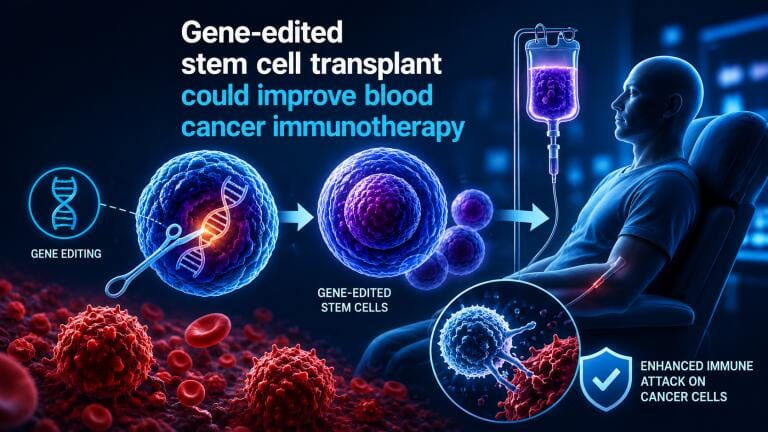
A clinical trial led by researchers at Washington University School of Medicine (WUSM) in St Louis, USA, has shown that a gene-edited stem cell transplant could help to reduce toxic side effects and improve the potential effectiveness of post-transplant therapies for aggressive blood cancers.
Stem cell transplantation is often the only treatment with curative potential for highly aggressive forms of blood cancer, including acute myeloid leukaemia and myelodysplastic syndrome. However, even after transplant, these diseases often relapse. The novel study has examined whether donor stem cells edited to remove a surface protein called CD33 could make it possible to use CD33-targeted therapies after transplant without also damaging healthy donor-derived blood cells.


